
Guest article from clicksouvenirs.com.
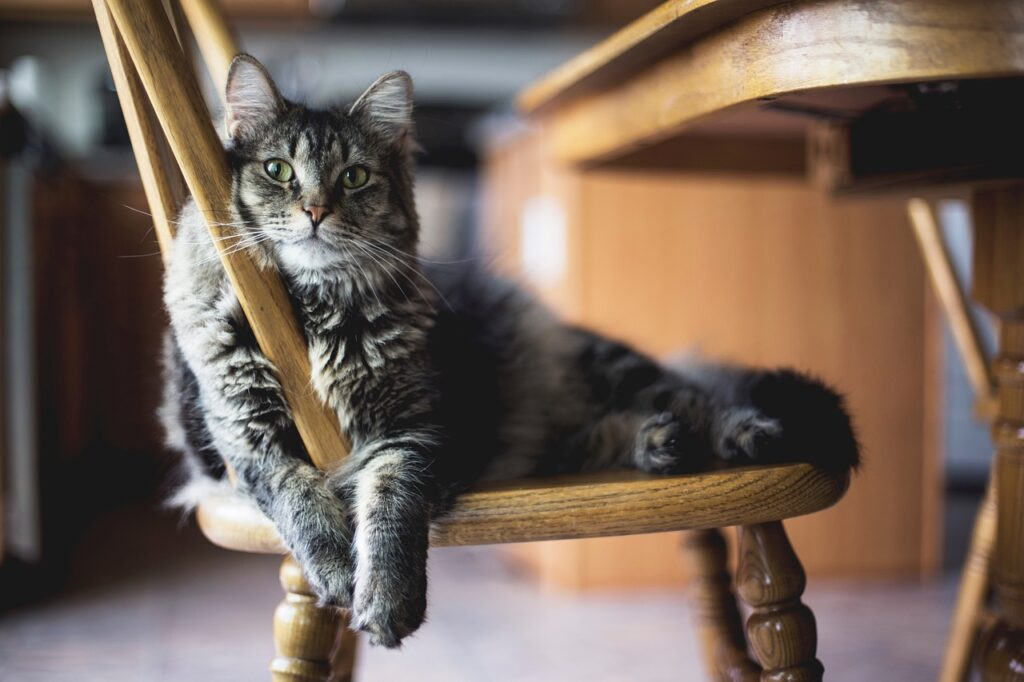
Photo By Pixabay
Creating a home that works well for pets is about more than just bowls and beds. Thoughtful design and quality construction can make everyday life safer, calmer, and more enjoyable for both animals and their owners.
From durable materials to well-planned layouts, a pet-friendly home benefits everyone who lives in it.
Why Pet-Friendly Design Matters
Pets use space differently from people. Dogs need room to move without slipping, cats seek elevated or quiet areas, and all pets benefit from environments that are easy to clean and maintain. Poorly designed spaces can lead to stress, accidents, and unnecessary wear on the home itself.
A well-planned home takes into account:
- Safe flooring that reduces slipping and injury
- Materials that withstand scratches, moisture, and frequent cleaning
- Calm, comfortable areas where pets can rest undisturbed
- Smooth transitions between indoor and outdoor spaces
Quality Building Makes a Difference
Construction quality plays a major role in how well a home performs over time, especially in households with pets. Renovations and extensions should use durable finishes and smart layouts that support daily routines.
Professional builders such as KH Builders understand how to combine practical construction with long-term durability. Their experience in residential building helps homeowners create spaces that are robust, functional, and visually appealing, even in busy, pet-friendly households.
Designing Spaces with Pets in Mind
Good architectural design considers how every occupant uses a space, including animals. Layout, lighting, circulation, and storage all influence how comfortable a home feels for pets and owners alike.
Architects such as SAO Architects focus on creating balanced, thoughtful designs that enhance everyday living. By planning spaces carefully, it becomes easier to include features like pet zones, quiet resting areas, or easy-to-clean entry points without compromising the overall aesthetic of the home.
Practical Design Ideas for Pet Owners
Some design features that work especially well in pet-friendly homes include:
- Hard-wearing, easy-to-clean flooring in high-traffic areas
- Mudrooms or utility spaces to manage outdoor mess
- Built-in storage for food, leads, and grooming supplies
- Shaded and secure outdoor areas for safe play
These features can be seamlessly integrated during renovations or new builds when planned from the start.
Choosing the Right Materials
The right materials can significantly reduce maintenance and stress in homes with pets:
- Flooring: tile, luxury vinyl, or sealed wood for durability
- Walls: washable paint finishes for easy cleaning
- Worktops: stain-resistant surfaces such as quartz
- Outdoor areas: non-slip, weather-resistant materials
Selecting appropriate materials improves hygiene, longevity, and comfort.
A Home That Works for Everyone
A pet-friendly home is not about sacrificing style for function. With the right design and build approach, it is possible to create spaces that are attractive, practical, and welcoming to all members of the household.
By combining skilled construction and thoughtful architectural design, homeowners can create environments where pets feel secure and families can enjoy their homes with confidence.
Frequently Asked Questions
What makes a home pet-friendly?
A pet-friendly home is designed with safety, comfort, and durability in mind. This includes non-slip flooring, easy-to-clean surfaces, secure outdoor access, and quiet spaces where pets can rest without disruption.
Should pet needs be considered during renovations?
Yes. Including pet needs during renovations allows features like durable materials, practical layouts, and built-in storage to be incorporated seamlessly. Planning ahead is more cost-effective and avoids future modifications.
What flooring works best for homes with pets?
Hard-wearing, non-slip flooring such as tile, luxury vinyl, or sealed hardwood is ideal. These materials are resistant to scratches, moisture, and stains, making them easier to maintain in pet-owning households.
Can architects help design spaces specifically for pets?
Yes. Architects can design layouts that improve flow, safety, and comfort for both people and pets. This may include pet zones, mudrooms, integrated storage, or secure outdoor connections that suit the household’s lifestyle.
How can builders improve durability in pet-friendly homes?
Experienced builders select materials and construction methods that stand up to wear and frequent cleaning. This includes reinforced finishes, robust joinery, and layouts that reduce damage in high-traffic areas.
Are pet-friendly homes harder to maintain?
No. In fact, well-designed pet-friendly homes are often easier to maintain. Durable surfaces and thoughtful layouts reduce mess, limit damage, and simplify cleaning routines.
Do pet-friendly design choices affect home value?
Pet-friendly features often improve overall functionality and durability, which can increase long-term property value. Many of these features appeal to families and future buyers, not just pet owners.
Is pet-friendly design only for dogs and cats?
No. While dogs and cats are common considerations, pet-friendly design can be adapted for all animals, including small pets and older animals with mobility needs.